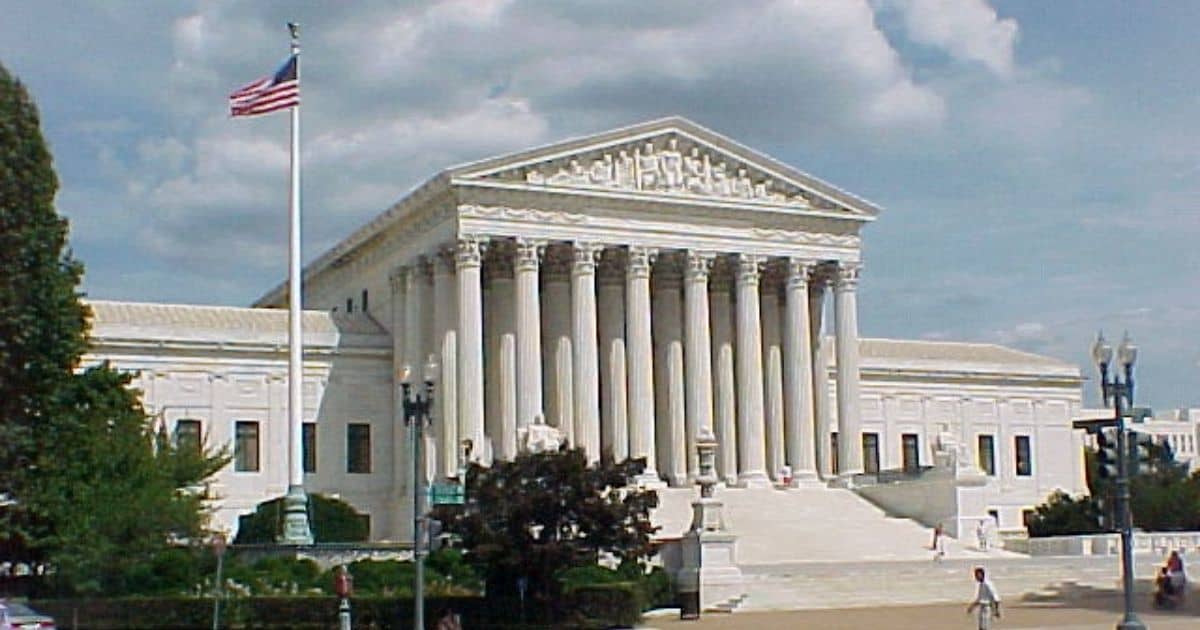
WASHINGTON — In a major legal development ahead of the upcoming electoral cycle, the U.S. Supreme Court has formally blocked the implementation of strict new postal regulations regarding mail-in voting. The high-consequence ruling deals a significant blow to 80-year-old President Donald Trump’s administration, ensuring that existing voting procedures will remain intact as voters head to the polls for the November midterm elections. Supreme Court mail-in ballot restrictions
The decision stems from an emergency request filed by the administration seeking to lift a lower court injunction. The Supreme Court opted to leave the block in place, noting in a brief order that the government was unlikely to succeed on the merits of its challenge. While Justices Samuel Alito and Clarence Thomas publicly dissented, Justice Brett Kavanaugh joined the majority, emphasizing that local and state election officials simply lack adequate time to implement such sweeping procedural changes right before an election.
Supreme Court Rejects Administration’s Push and Local Implications
The controversy began when President Trump signed Executive Order 14399 earlier in the year, directing the U.S. Postal Service to establish rigorous new guidelines for election mail. Under the proposed framework, states would have been forced to provide detailed recipient lists and utilize federally pre-approved ballot envelopes featuring specific barcodes and markings. Additionally, the postal agency would have gained the authority to refuse transmission for any ballots failing to meet these rigid standards.
Opponents, including a coalition of state attorneys general and election officials, argued that the executive branch overstepped its constitutional boundaries by attempting to regulate voting procedures traditionally managed by individual states. U.S. District Judge Indira Talwani previously issued an injunction blocking the rule, a decision later reinforced by a separate ruling from U.S. District Judge Carl Nichols.
The legal battle has drawn intense focus from key battleground regions like Maine, where Democratic Attorney General Aaron Frey and Secretary of State Shenna Bellows vocally opposed the federal directives. State officials argued that sudden changes risked disrupting thousands of valid absentee ballots and disenfranchising voters. With the Supreme Court’s latest refusal to intervene, Maine voters and citizens nationwide can continue requesting and casting absentee ballots under standard, pre-existing guidelines.
Ongoing Judicial Battles and Voter Security Debates
Although Monday’s ruling resolves the immediate question for the upcoming November midterms, the broader constitutional conflict over federal oversight and election integrity is far from over. The administration has separately petitioned the Supreme Court to permit the Department of Homeland Security to utilize an expanded federal database—known as SAVE—for citizenship verification checks on voter rolls. Supreme Court mail-in ballot restrictions
Supreme Court mail-in ballot restrictions
As legal challenges continue to mount across federal courts, BDUS News 24 will continue to monitor how these high-stakes judicial decisions impact election administration, voter access, and state rights nationwide.
Read more political coverage on BDUS News 24 updates.