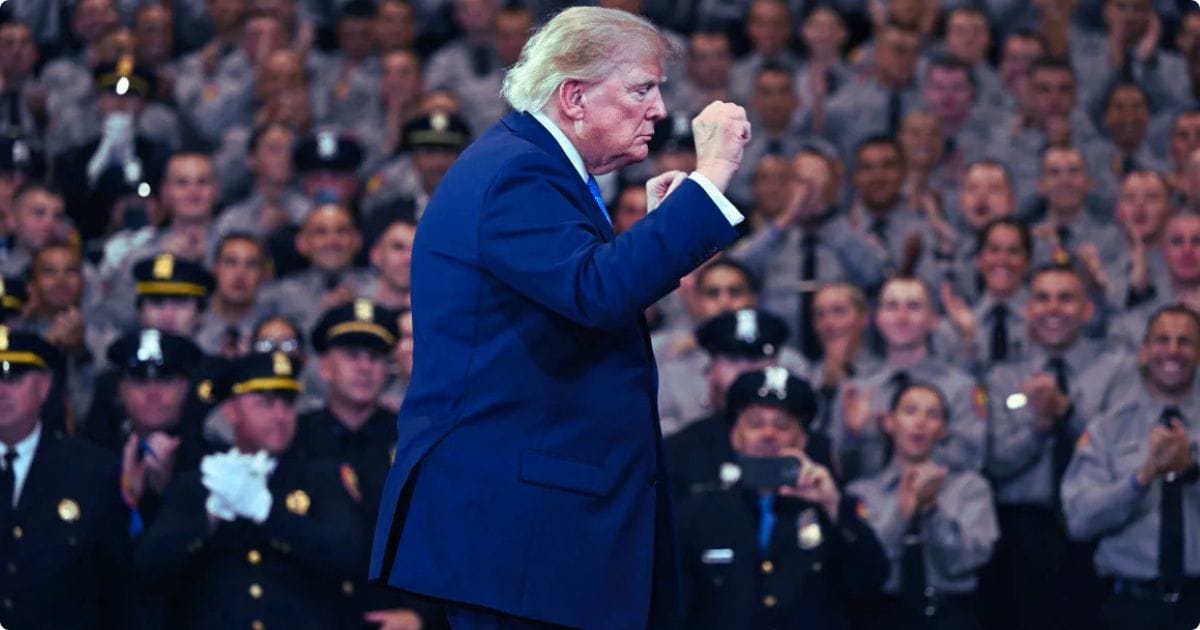
The geopolitical landscape of the Middle East is facing renewed volatility following U.S. President Donald Trump’s latest policy rhetoric regarding the Strait of Hormuz. During a recent public address in New York, President Trump suggested that the United States might soon declare the strategic waterway “a territory of the United States” once the ongoing conflict with Iran reaches its conclusion.
A Strategic Waterway in Flux The Strait of Hormuz is arguably the world’s most critical maritime chokepoint, facilitating the transit of approximately 20% of global oil and liquefied natural gas (LNG) shipments. For months, the waterway has been at the center of a tense standoff, with the U.S. Navy enforcing what President Trump has described as a “Wall of Steel” naval blockade. This blockade is part of Washington’s broader effort to neutralize Iran’s military capabilities and prevent the nation from acquiring nuclear weaponry.
Conflicting Claims of Control President Trump’s recent declaration follows his earlier claims on Truth Social that the U.S. maintains “total control” over the strait. He asserted, “No ships get through unless we want them to,” emphasizing the dominance of the American naval presence in the region.
However, Tehran has vehemently rejected these assertions. Iranian officials, including Deputy Foreign Minister Kazem Gharibabadi, have publicly countered that the waterway remains under Iranian management. “The Strait of Hormuz has been Iranian, is Iranian, and will remain Iranian,” Gharibabadi stated on social media, insisting that only Tehran has the authority to dictate the opening or closing of the channel.
Global Economic Impact The escalating rhetoric and the ongoing blockade have caused significant disruptions to commercial shipping. Data from tanker trackers like Kpler indicates that traffic through the strait has plummeted to historic lows, with crude oil shipments nearly coming to a standstill in recent days. While President Trump has urged Americans to accept slightly higher gasoline prices as a necessary cost for global security, the economic pressure is mounting.
As the conflict stretches into its sixth month, the international community remains deeply concerned about the potential for a wider regional crisis. While indirect diplomatic channels remain active, the path to reopening this vital artery for global energy markets remains obstructed by the competing claims of Washington and Tehran.