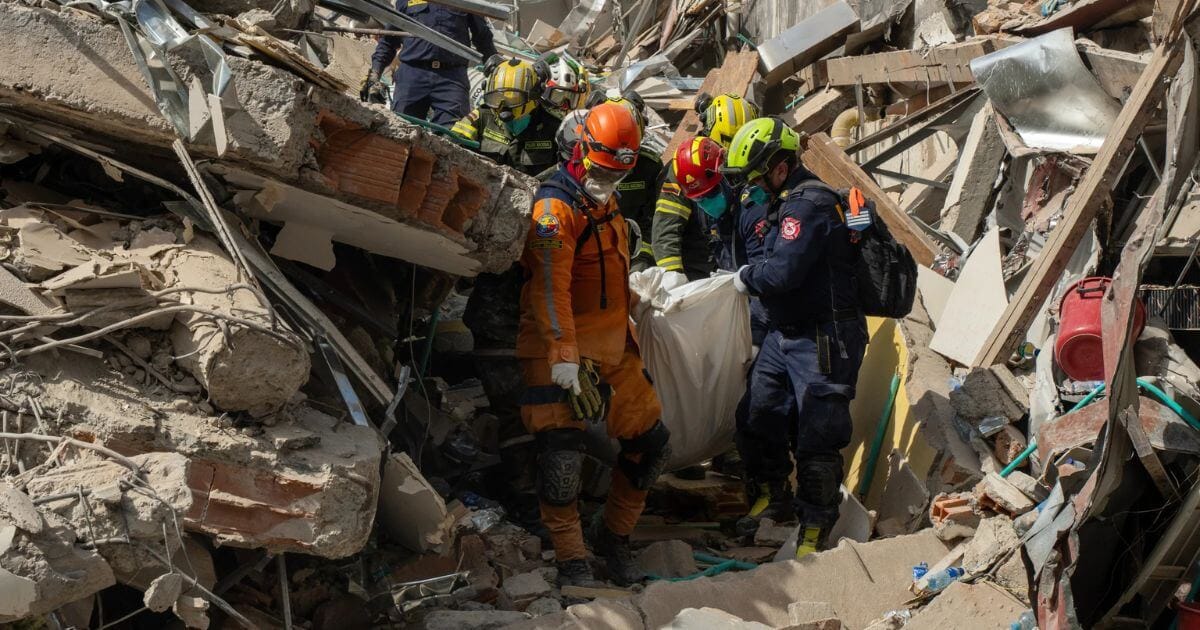
International Desk, Global News: South America has been struck by a series of powerful seismic events, as major earthquakes recently hit regions of both Peru and Colombia. The sudden natural disasters have caused widespread concern among residents, prompting immediate emergency responses and large-scale rescue operations across the affected zones. Local authorities and disaster management teams are working tirelessly on the ground to assess the damage, clear debris, and ensure the safety of citizens.
The initial tremors were felt intensely across several major cities and rural communities, causing panic as buildings shook and power supplies flickered. Residents quickly evacuated homes and commercial structures, seeking open spaces as aftershocks continued to rattle the region. Emergency protocols were activated almost instantaneously, with civil defense units, medical personnel, and firefighters deployed to the hardest-hit areas. According to preliminary reports from geological monitoring agencies, the earthquakes registered at significant magnitudes, making their impact felt across vast geographic distances.
In Peru, rescue teams have been dispatched to remote mountainous areas and urban centers alike to check for structural collapses and assist injured individuals. Local hospitals have been placed on high alert to handle incoming trauma cases, while temporary shelters are being set up for families displaced by the tremors. Similarly, in Colombia, emergency response coordinators have established command posts to direct relief efforts efficiently. Search and rescue dogs, along with heavy machinery, are being utilized to clear blocked roadways and reach communities cut off by landslides triggered by the shaking.
Government officials in both nations have urged calm, reassuring the public that all available state resources are being mobilized to manage the crisis. International aid organizations and neighboring countries have also expressed solidarity, offering support and specialized rescue personnel if needed. Experts note that South America lies within the seismically active Pacific Ring of Fire, a region known for frequent tectonic shifts and volcanic activity, making preparedness a critical ongoing challenge.
As daylight breaks over the affected regions, the true extent of the infrastructural damage is beginning to emerge. Authorities continue to monitor seismic instruments closely for potential aftershocks, advising citizens to remain vigilant and follow safety instructions issued by local emergency broadcasts. Further updates regarding relief distributions, structural assessments, and recovery efforts will be shared as more information becomes officially available.