WASHINGTON, D.C. — Tensions in the Middle East have reached a critical tipping point as the ongoing Strait of Hormuz crisis escalates significantly. In response to fresh threats against global maritime traffic, the United States Department of Defense has announced the deployment of additional US Navy warships to reinforce freedom of navigation through one of the world’s most vital energy corridors.
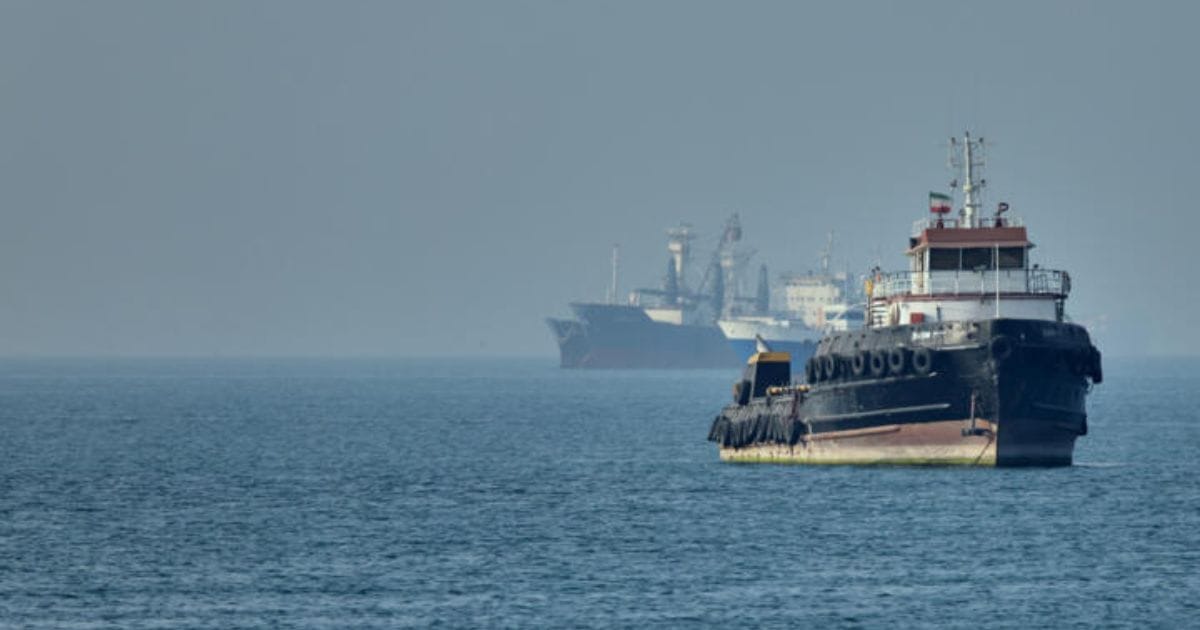
The decision comes after Iranian military officials reiterated claims of decisive control over maritime traffic passing through the strategic waterway. Recent reports from regional authorities highlighted fresh drone strikes targeting commercial oil tankers near the narrow strait, sparking renewed panic across international shipping lines and energy markets.
US Navy Strengthens Maritime Presence
To secure international trade routes against further disruption, US military leadership confirmed that rotating naval assets—including aircraft carrier strike groups and guided-missile destroyers—will maintain an active posture along the Persian Gulf and Gulf of Oman. Defense Secretary Pete Hegseth signaled that the military presence will remain indefinitely to uphold security and deter hostiles.
Under the direction of US Central Command (CENTCOM), frontline naval vessels and airborne surveillance units have increased patrols to monitor commercial transit. CENTCOM has already redirected dozens of merchant ships and intercepted unauthorized vessels attempting to bypass established maritime protocols. Furthermore, a newly established multi-domain task force utilizing advanced surveillance and unmanned defense systems is being integrated to safeguard commercial transport.
Global Economic Impacts and Rising Threats
The Strait of Hormuz crisis poses an immediate danger to global economic stability. Historically responsible for carrying nearly a fifth of the world’s daily petroleum supply, traffic through the narrow passage has dropped dramatically since confrontation heightened earlier this year.
Regional nations, including the United Arab Emirates, have condemned recent attacks on commercial vessels, calling for swift international intervention to protect maritime crews. Meanwhile, insurance costs for maritime cargo transit through the Gulf have surged to record levels, prompting major commercial carriers to reroute vessels around southern Africa—adding weeks to shipping schedules and driving up global transportation costs.
Diplomatic Standoff and Future Outlook
Despite mounting diplomatic warnings from Washington and international trade bodies, military commanders from Iran’s Islamic Revolutionary Guard Corps (IRGC) maintain that no activity within the narrow passage escapes their oversight. Tehran has signaled readiness for a prolonged confrontation if its maritime conditions are ignored.
With neither side stepping back, analysts warn that the Strait of Hormuz crisis could lead to further direct military friction. The presence of augmented US Navy warships underscores Washington’s commitment to maintaining sea lines of communication open, even as maritime operators prepare for extended volatility across the Middle East.