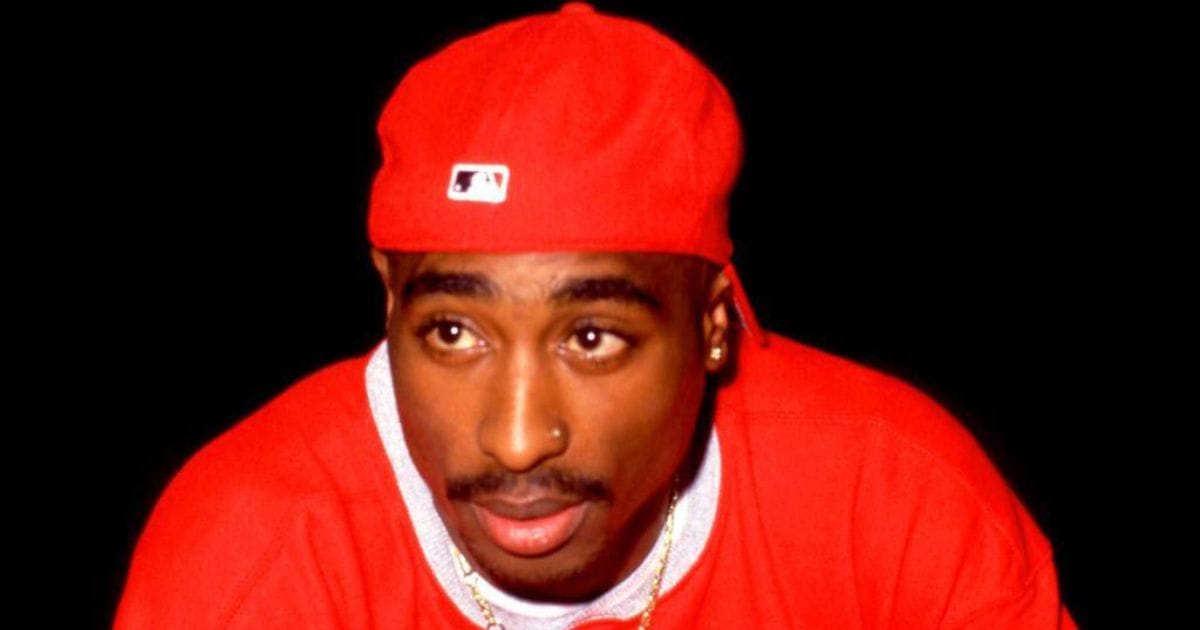
Nearly three decades after the music world was rocked by the tragic killing of legendary hip-hop icon Tupac Shakur, justice is finally seeking its course. The long-awaited Tupac Shakur murder trial officially commenced in a Las Vegas courtroom, bringing intense public scrutiny back to one of the most enduring mysteries in pop culture history.
The Backdrop of a Decades-Old Tragedy
The case stems back to the fateful night of September 7, 1996. Tupac Shakur and Death Row Records co-founder Marion “Suge” Knight had traveled to Las Vegas to watch a Mike Tyson boxing match at the MGM Grand Garden Arena. Following the fight, Shakur and his entourage were involved in a physical altercation in the casino lobby with Orlando “Baby Lane” Anderson, a member of a rival gang group.
Later that evening, while heading to a club where Shakur was scheduled to perform, a white Cadillac pulled up alongside their vehicle at a red light near the Las Vegas Strip, and a barrage of gunfire erupted. Shakur was struck multiple times and tragically succumbed to his injuries six days later on September 13, at just 25 years old. For nearly thirty years, the case remained an officially unsolved cold case that inspired countless books, conspiracy theories, and documentaries.
Prosecution Arguments: An Orchestrated Retaliation
The case gained momentum following the 2023 arrest and subsequent indictment of 63-year-old Duane “Keffe D” Davis. Prosecutors argue that Davis acted as the “on-the-ground, on-site commander” who orchestrated the retaliatory shooting to avenge the beating of his nephew, Orlando Anderson.
During opening statements, Chief Deputy District Attorney Binu Palal addressed the jury, stating that although Duane Davis did not pull the trigger, he allegedly coordinated the shooting to avenge his nephew, noting that this plot is fundamentally backed by Davis’s own previous admissions.
Key Evidence and Defense Strategy
The prosecution’s case relies heavily on public admissions made by Davis himself over the years, including interviews, media appearances, and details written in his 2019 memoir, Compton Street Legend. Prosecutors intend to show that Davis openly admitted to his role in securing the weapon and coordinating the vehicle used during the drive-by attack.
Conversely, defense attorney Michael Sanft has pushed back against the state’s narrative, reminding jurors that after nearly 30 years, tangible physical evidence—such as the recovery of the original murder weapon or the vehicle—remains scarce. The defense maintains that the statements made in books and media interviews were often sensationalized for entertainment value rather than factual confessions.
Cultural Legacy and Next Steps
As the trial moves forward with weeks of witness testimonies and comprehensive evidence reviews, millions of fans and music historians worldwide are watching closely. Tupac Shakur remains one of the most influential and revolutionary artists of all time. Whether this courtroom proceeding will finally deliver complete closure to the legendary rapper’s untimely death remains one of the most compelling legal spectacles of modern entertainment history.